
test
Day 1: Oslo - Madrid - Toledo
Day 2: Toledo and the three cultures (B/L/D)
Day 3: Toledo in the footsteps of El Greco (B/L)
Day 4: Toledo's iconic buildings (B/L)
Day 5: Toledo Madrid - Oslo (B)
After breakfast, we meet for a city tour. We make our way on foot through the city's narrow streets and impressive squares, and it is not long before we get the feeling of being far back in time. We will get to know the city well, along with its many sights and history.
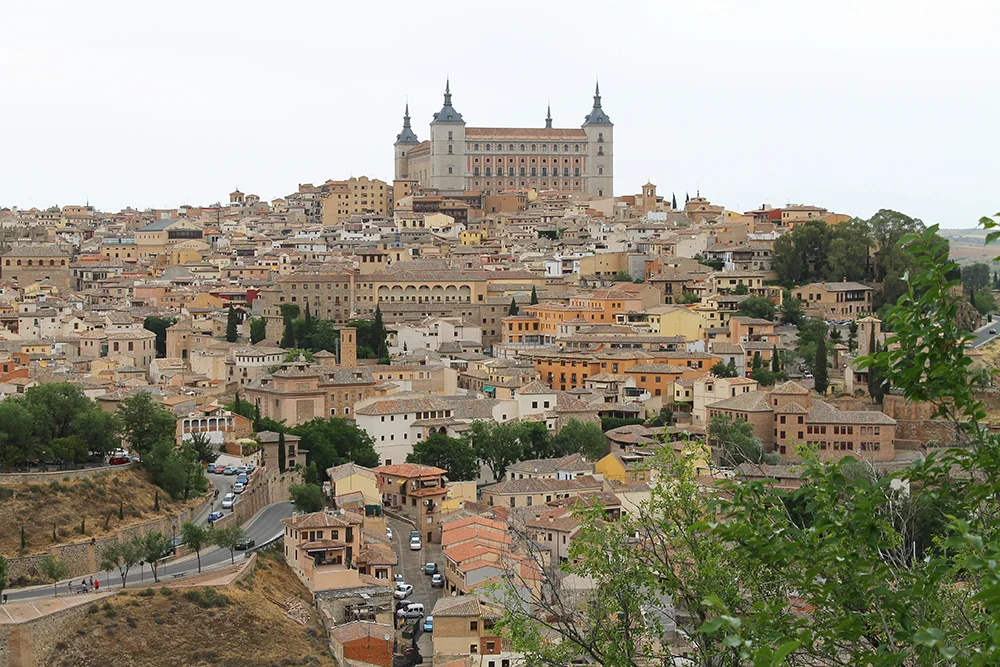
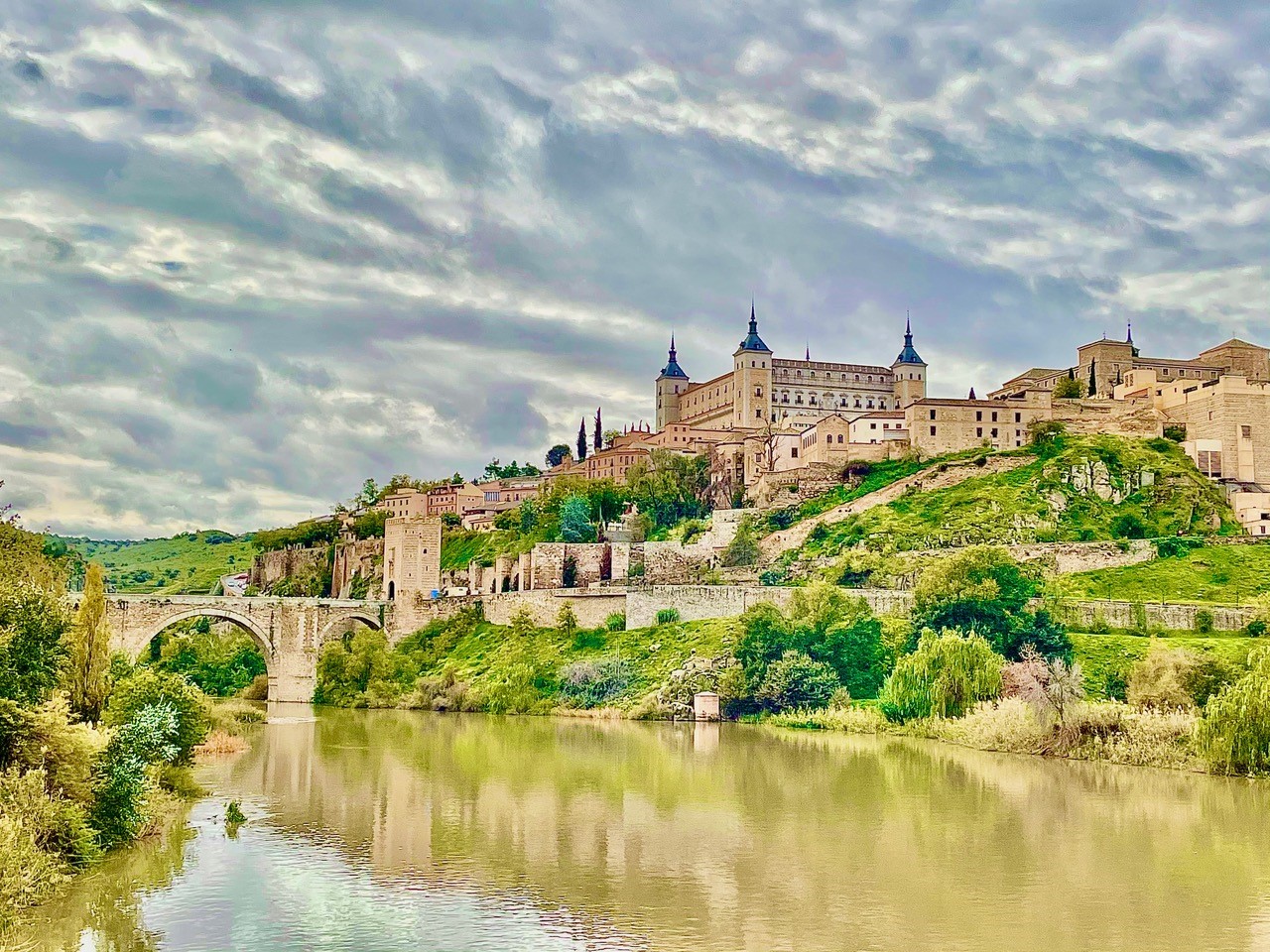
Toledo is Spain's former capital and perhaps the country's most distinctive city. It was founded by the Romans in 190 BC and became Spain's capital as early as 569.
In the early 8th century, the city was conquered by Muslims, and after the Christian King Alfonso took control of the city in 1089, many Muslims decided to stay. In the following centuries, the city's culture was formed as a blend of Christian, Islamic, and Hebrew cultures and religions. Distinctive features from the three cultures give the city its unique style.
We are visiting the synagogue and the beautiful cathedral of Toledo. The Cathedral of Toledo, built over the great mosque, is probably the most beautiful in Spain. Here we also find a significant collection of works of art and paintings by famous Spanish artists, among others. El Greco, Goya, Zurbarán, Italian artists who Rafael, Titian, Luca Giordano and many more, among others. Rubens.
We enjoy a nice lunch with Spanish specialties and there will be free time for the rest of the day.
The town has a vibrant center with many charming small shops, jewelry workshops, restaurants, and bars. Sit down with a small glass of wine and a tapa and enjoy the bustling life and atmosphere.
More recently, Toledo is often known for its special steel – the anecdote goes that it was the water from the Tagus that contributed to its special hardness and quality. The most famous matadors would only have steel from Toledo for their fights against the bulls, and in older times one could hear the smiths' hammering and beating echoing through the streets practically around the clock. Today, Toledo is still known for its steel, and good knives are a popular item to take home.
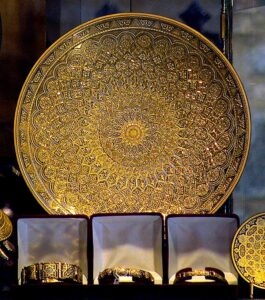
Toledo is also known for its goldsmith work damascening, which was introduced to Toledo by the Arabs and further developed by Spanish artisans over the centuries. Damascened is a technique where a gold thread is incrusted into silver or another metal.
The goldsmiths' work can still be followed today from the windows facing the street. There are many temptations here...
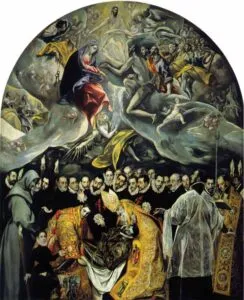
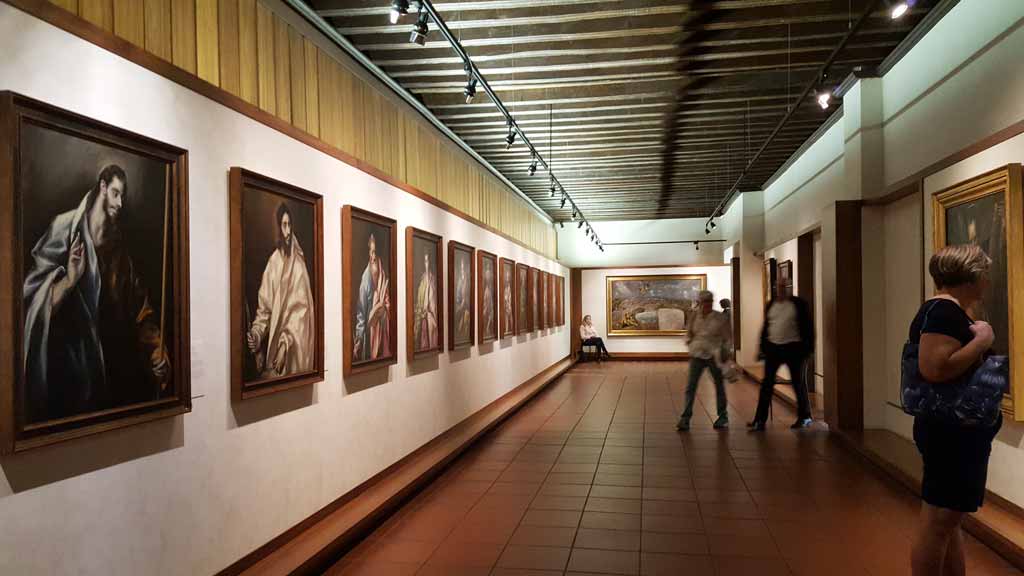
Toledo is the city of El Greco – one of the world's most famous artists. We take a walk through Toledo's narrow streets this time in El Greco's footsteps.
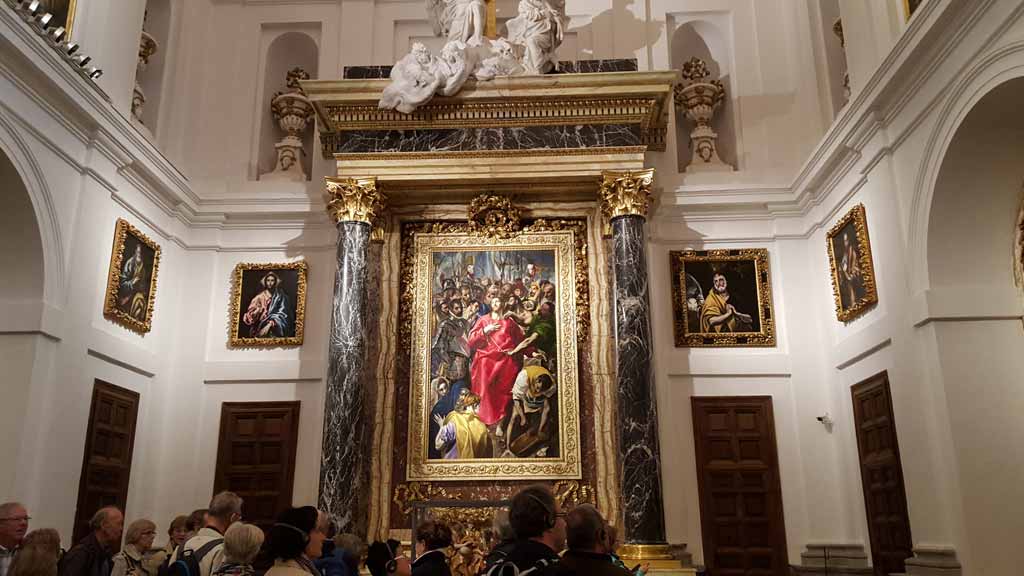
We are visiting The Church of Santo Tomé, where we find El Greco's masterpiece “The Burial of the Count of Orgaz” We continue our tour to the Jewish Quarter and visit the El Greco Museum, known as "El Greco's House".
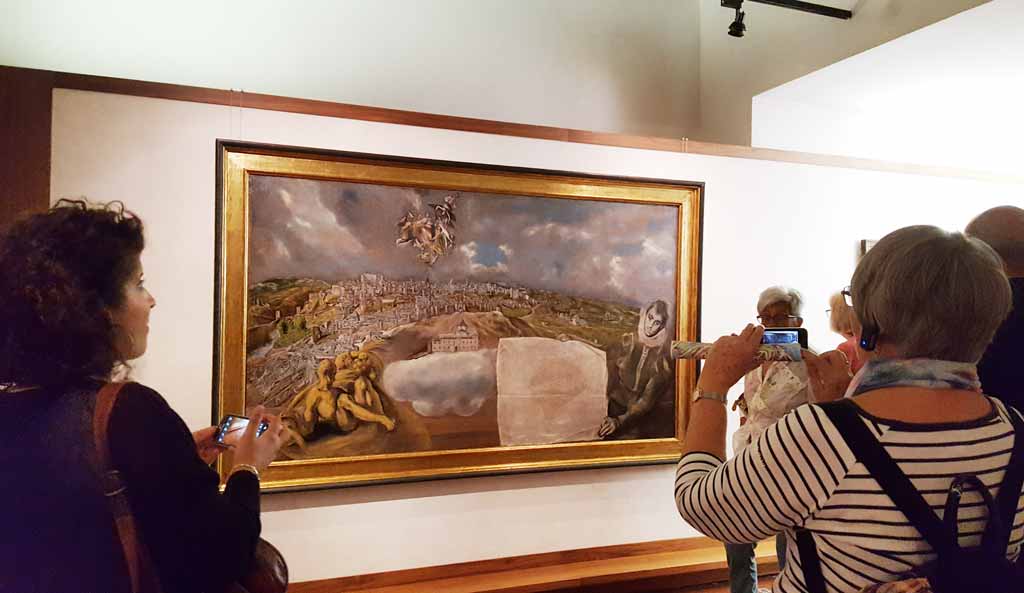
Here we get to see many of El Greco's great paintings, including "Saint Peter in Tears" (1587-1596) and "View and Plan of Toledo" (1608). The map from this painting can still be used to this day! the map, painted in
The way forward leads to the Santo Domingo el Antiguo convent. The order from this monastery was the reason El Greco came to Toledo.
Those who want more El Greco experiences can join The Monastery of Santa Cruz where we find several of his paintings.
Time at leisure and lunch on your own.
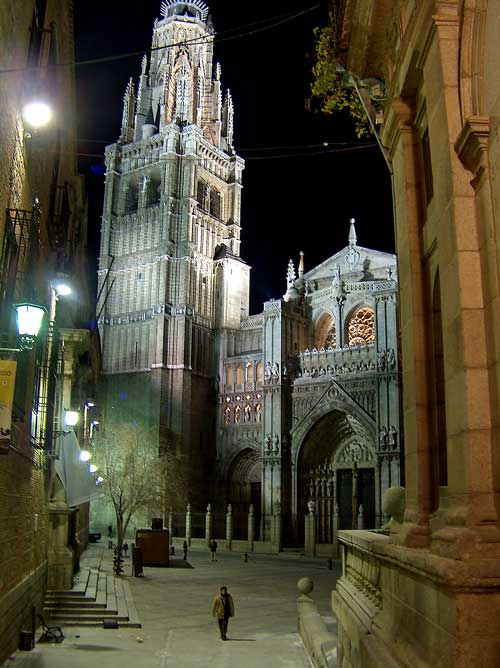
It is time to venture into the twilight of Toledo. Here, the medieval atmosphere emerges even more clearly.
We wander through closed monastery areas and visiting well-hidden historical treasures as usual are not open to tourists.
No details found.
No details found.
No Details Found